SUSTAINABILITY
We provide sustainable solutions for tire management
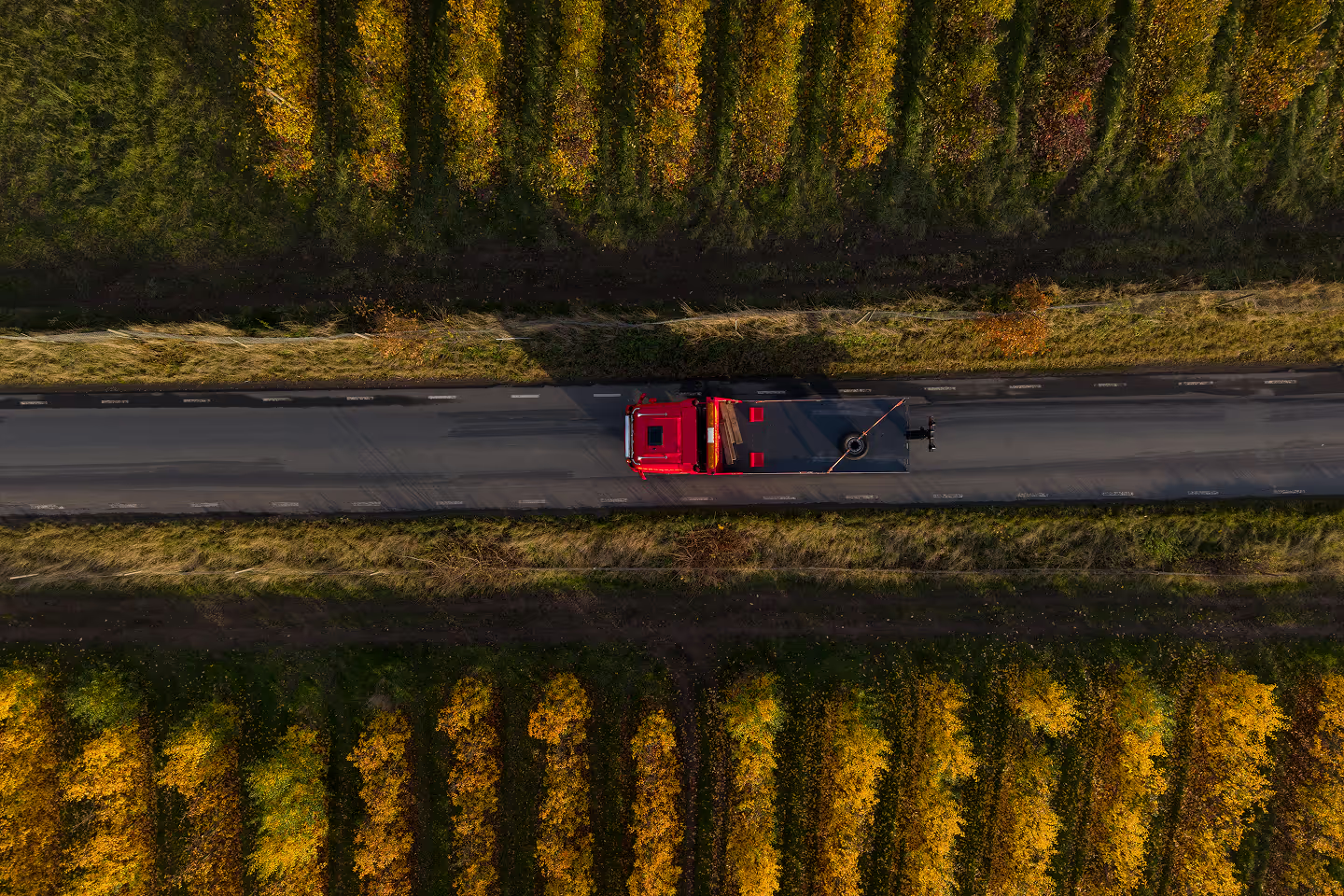
We retread (refurbish for reusal) truck and bus tires and refurbish rims. Our inhouse logistics collect worn-out tires & rims to our facilities, and then deliver retreaded tires and refurbished rims back to the customer. A cost-efficient and circular model.
THE CHALLENGE
Tires generates CO2 emissions in production and waste when worn out
1.7 bn
Tires are produced annually
202.5 kg
Approximate CO₂ emissions generated during production of a new truck tire
1.4 bn
Tires reach the end of their useful life annually
300m
Used car and truck tyres are discarded each year in the EU
<13%
Of the discarded tires are reused or recycled
75%
Of ELTs end up in landfills
2–3%
Of all waste materials collected worldwide are ELTs
6 m tons
Of tire wear particles are released globally each year
2000x
More particle pollution comes from tire wear and tear than from modern exhaust systems
RETREADING BENEFITS
Retreaded tires are better for the environment and cost-efficient - while offering quality on par with new tires
Carbon footprint reduction over the full tire life cycle (excl. use stage), equal to 77kgCO2eq avoided per 100,000km
Raw material avoided over the full tire life cycle (excl. use stage), equal to 24 kg avoided per 100,000 km
Potential fuel saving during operation
Lower purchase price for the client
Number of times a commercial vehicle tire can be retreaded
OUR MODEL
We operate a circular business for commercial vehicles, optimizing mileage, while reducing environmental impact
1
Replacement tire distribution
We sell tires (new and retreaded) to tire shops and vehicle owners, delivering them directly to the customer through our own logistics
2
Tire service and wheel alignment
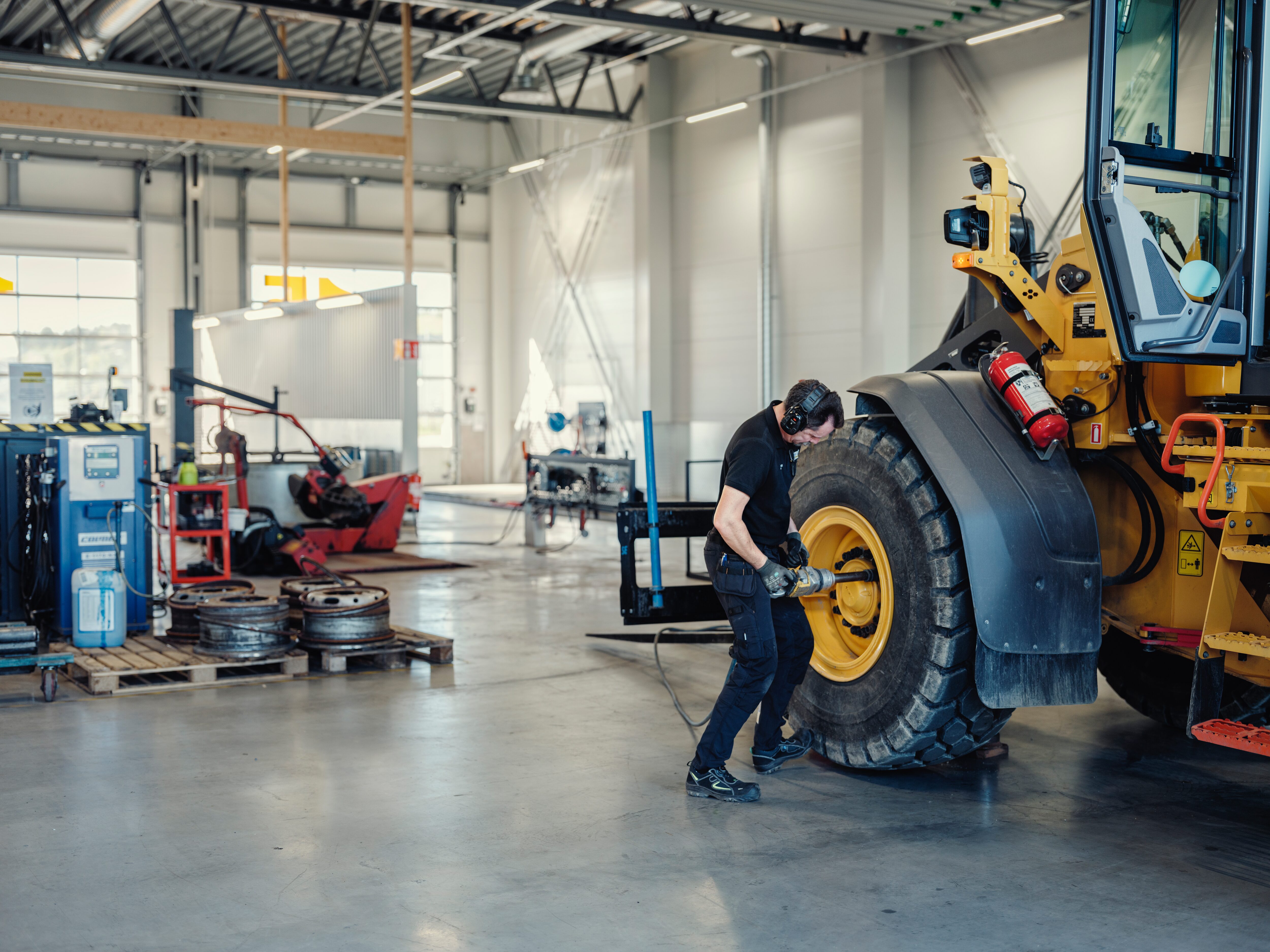
Throughout their useful life we change and service these tires through our workshops and on site at our customers. We monitor the tires air pressure and align the wheels. All of which contribute to longer lasting tires, more uptime and lower fuel consumption
3
Collection of used tires and rims
Used tires (casings) and worn rims are collected at our service stations and on-site at customers via our own logistics fleet, returned to our sites for retreading and refurbishment
4
Retreading & rim refurbishment
Collected casings and rims are retreaded and refurbished at our sites. Our retreaded tires offer similar safety, milage/quality as new tires of similar function – at a lower price and with a better environmental profile. They are resold via service stations and directly to customers. Tires that are unfit for retreading are sent to recycling partners
Sustainable Operations
Below you will find the policies and commitments that shape Citira’s approach to responsible and sustainable business conduct. They explain how we uphold ethical standards, foster a culture of accountability, meet EU regulations like the EU Deforestation Regulation (EUDR), and ensure transparency throughout our value chain.
Download documents
Code of Conduct
Download
(PDF 874kb)
Whistleblowing Policy
Download
(PDF 504kb)

EUDR – Our Commitment
What is EUDR?
The EU Deforestation Regulation (EUDR) aims to ensure that products placed on the EU market are deforestation-free and help protect global biodiversity. It applies to key commodities such as natural rubber, timber, coffee, cocoa, and soy, including products made from them.
Why it matters for Citira
Natural rubber is an essential raw material for tire manufacturing. Under the EUDR, manufacturers and distributors must demonstrate that natural rubber is responsibly sourced, legally produced, and fully traceable to its origin. This requires strong supply chain transparency and robust due diligence practices across the supply chain.Natural rubber is a critical raw material for tire production. Under EUDR, manufacturers and distributors must demonstrate that rubber is responsibly sourced, legally produced, and fully traceable back to its origin. This demands strong transparency and robust due-diligence practices across the supply chain.
How Citira is preparing
- Traceability: Establishing processes to verify and document the geographical origin of natural rubber used in our tires.
- Due diligence: Implementing processes to assess risks, document compliance, and support customers’ reporting needs.
- Supplier engagement: Collaborating closely with partners to ensure alignment with EUDR expectations.
- Regulatory readiness: Continuously monitoring EUDR requirements and timelines to secure full compliance well ahead of enforcement.