Retreading benefits​

A core part of Citira’s offering is tire retreading, a technique that restores worn truck and bus tires to a quality comparable to new

Key facts

  • ​​Citira retreads up to 180,000 worn-out truck and bus tires every year.
  • ​​Retreading means applying a new tread layer to a worn-out tire, while retaining large parts of the original casing.​
  • Retreading is more cost-efficient and has significant environmental benefits: lower resource consumption and less waste compared to manufacturing new tires.
  • Truck and bus tires can on average be retreaded three times, delivering up to 3× longer service life than a single-use tire.
  • Locally produced retreaded tires provide a cost-efficient, reliable, and lower-emission alternative for fleet operators.
Step by step overview

The retreading process

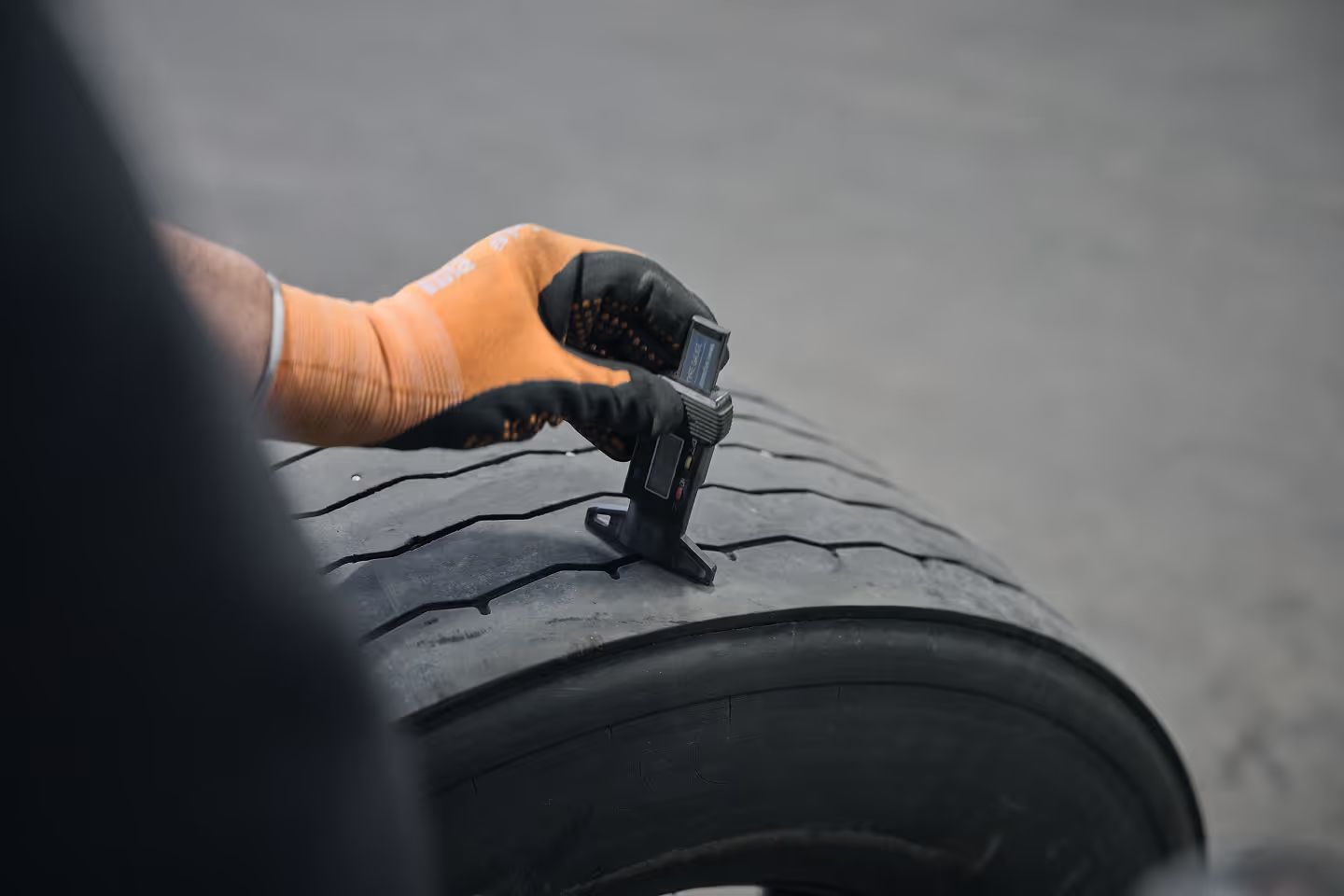
Person wearing an orange and black glove measuring tire tread depth with a digital gauge on a worn tire.
1. Inspection and selection of worn tires to be retreaded
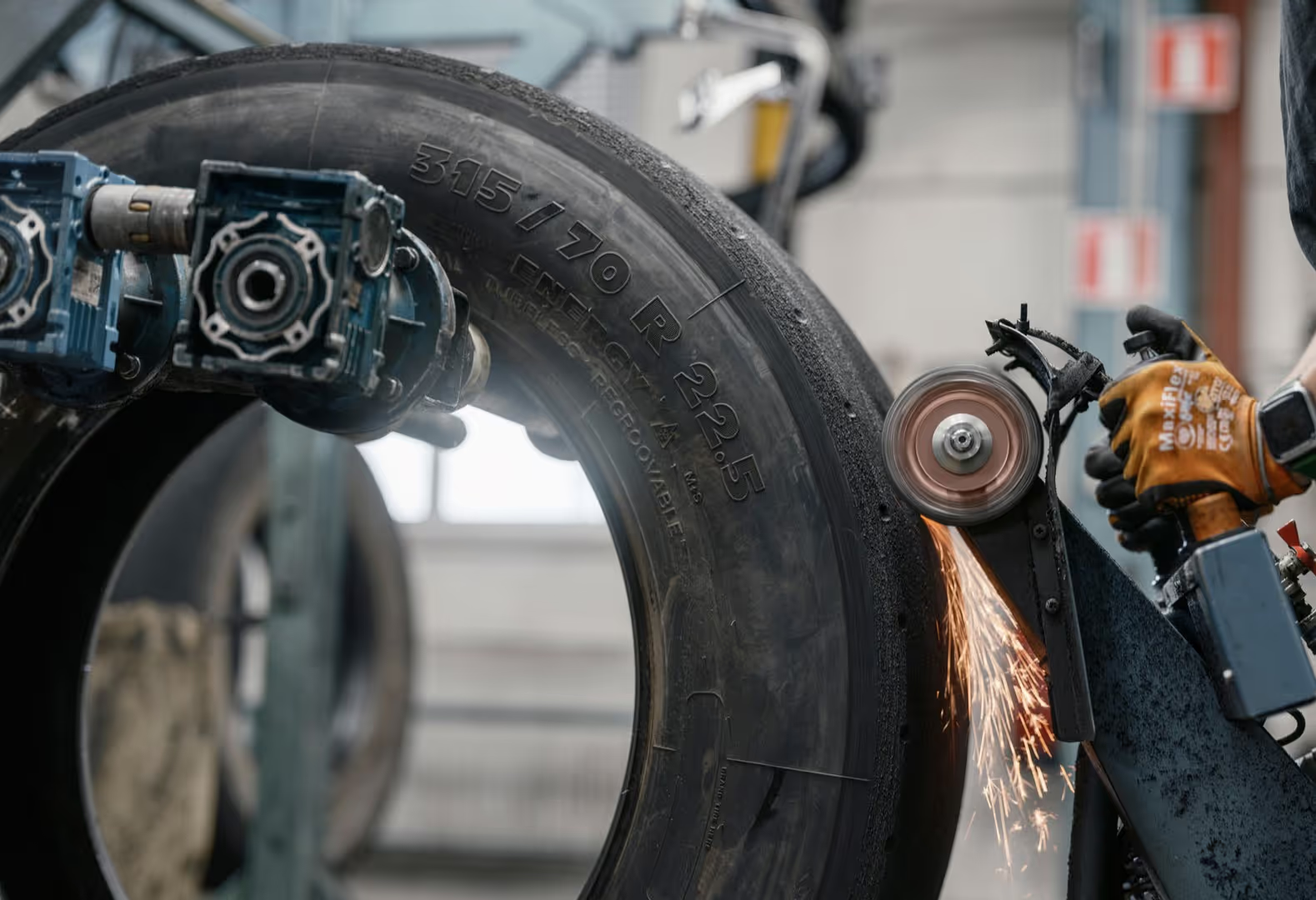
Machine buffing and removing old tread from large tire with sparks flying from the grinding wheel.
2. Buffing / removal of the old tread
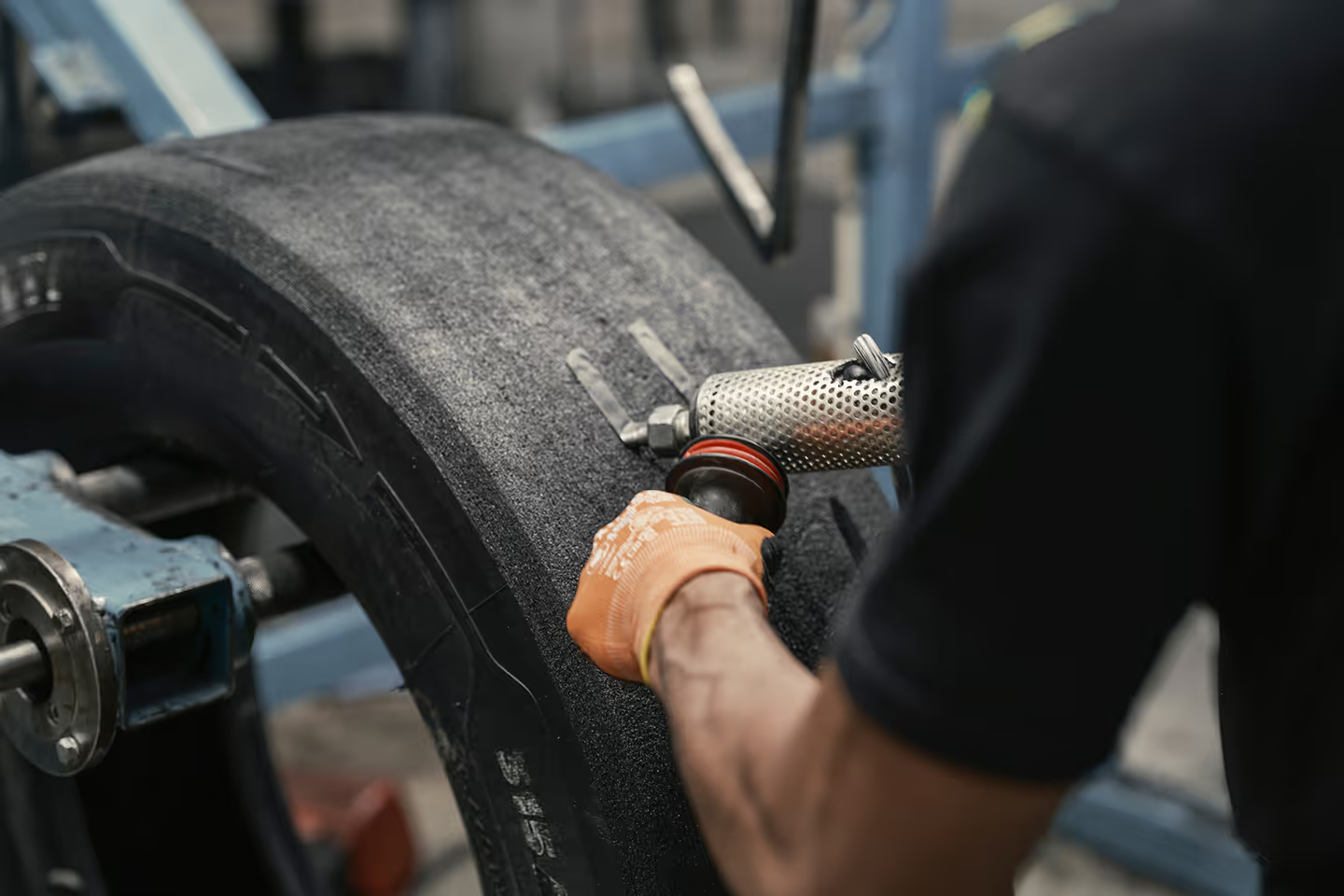
Worker in orange gloves buffing the surface of a large tire using a handheld power tool.
3. Repair of the tire casing
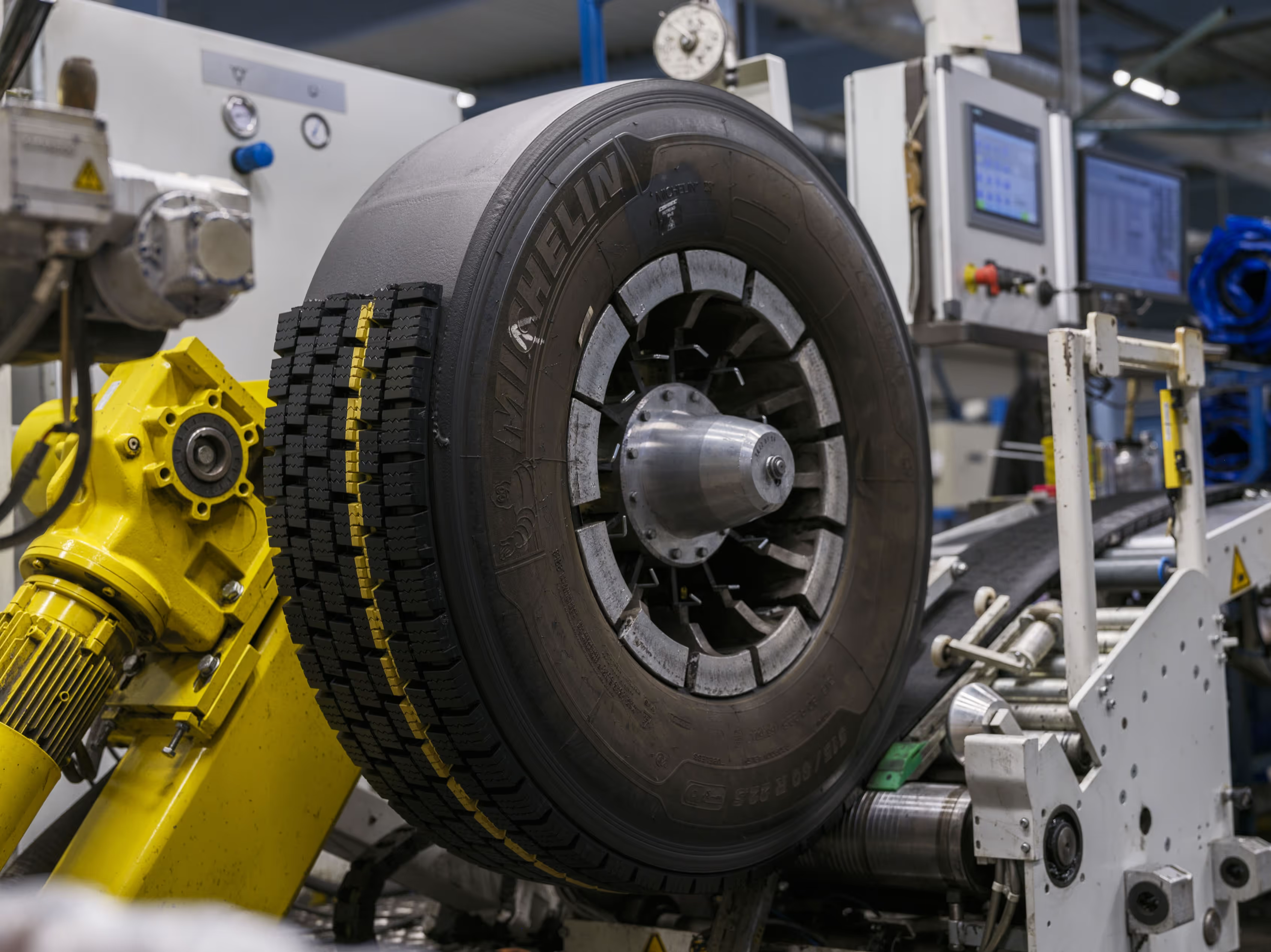
Large tire with new tread pattern on yellow industrial machinery in factory setting.
4. Application of new tread
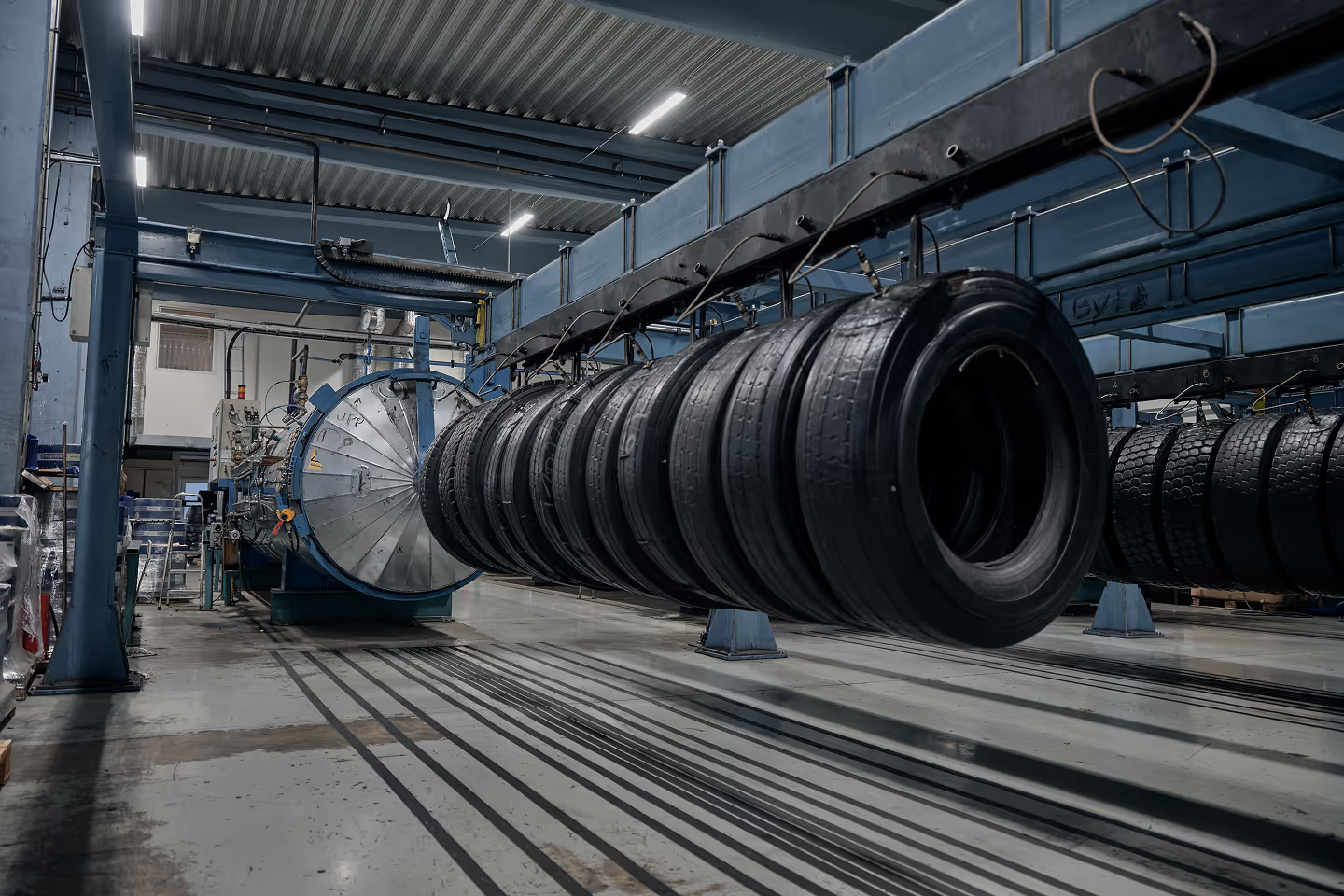
Industrial facility with a row of hanging car tires undergoing manufacturing or testing under a blue metal support structure.
5. Vulcanization
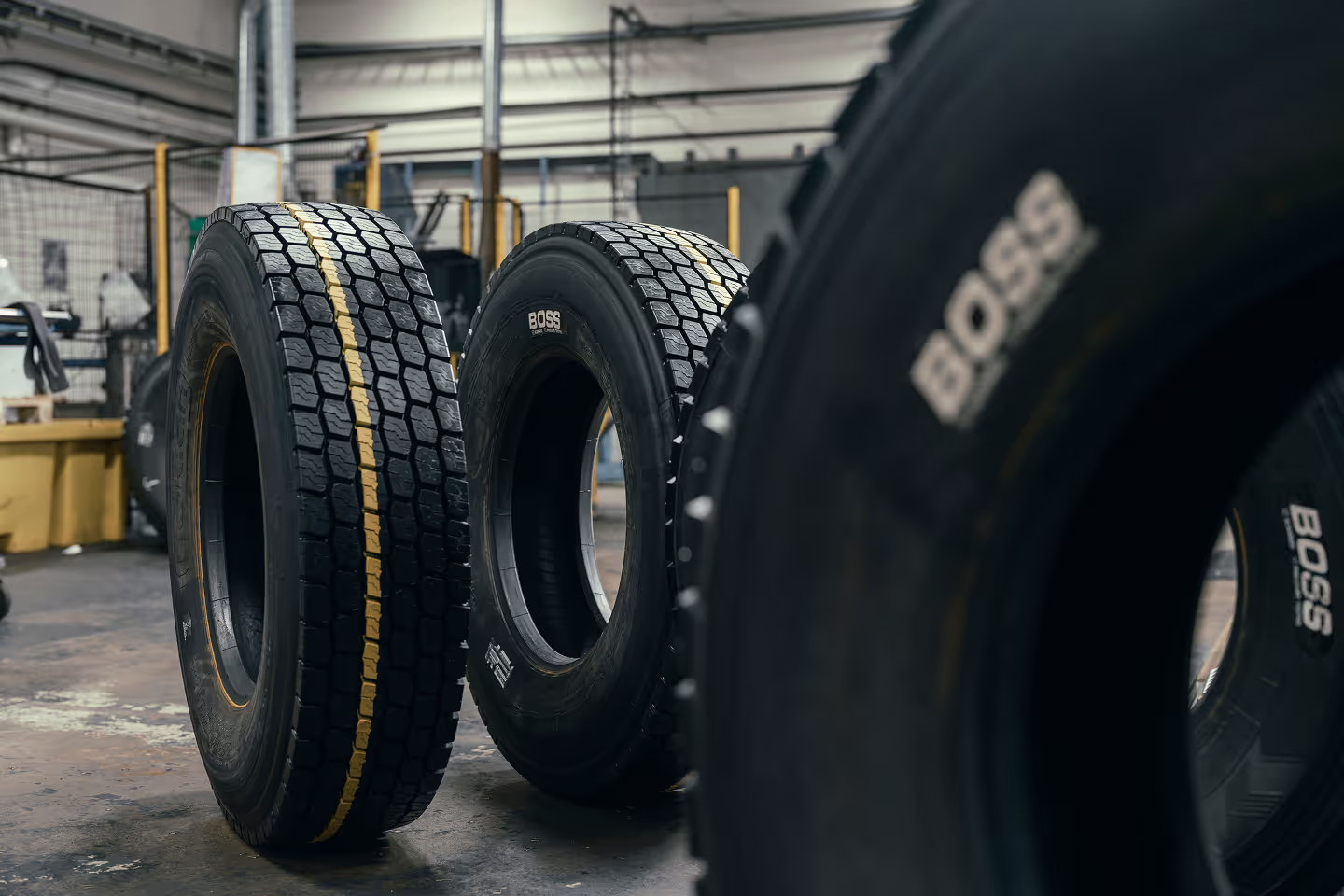
Several large truck tires standing upright in an industrial warehouse, some marked with the brand name BOSS.
6. Quality control
Life Cycle assessment​

Our independent study shows substantial environmental and economic benefits of Citira’s retreaded tires

We have completed an independent Life Cycle Assessment (LCA), a standardized method for measuring environmental impact across a product's entire life cycle.​

​The LCA follows ISO 14044 and the UL10006 Product Category Rule for tires and has been independently reviewed.

THE RESULTS​

The study strengthens the case for circular tire management by helping customers link sustainability performance to measurable business value​

62%

Carbon footprint reduction over the full tire life cycle (excl. use stage), equal to 79kgCO2eq avoided per 100,000km

60%

Raw material avoided over the full tire life cycle, equal to 24 kg avoided per 100,000 km

7%

Potential fuel saving during operation

22%

Lower purchase price for the client
Number of times a commercial vehicle tire can be retreaded
3x
View References
Study by Citira in collaboration with Valuing Impact. Llife cycle assessment (LCA) in accordance with ISO 14044 (and aligned with the UL10006 Product Category Rule for tires), reviewed by an independent third party.

A Life Cycle Assessment of Citira's Retreading Process

Download the executive summary of Citira's LCA study. For questions about the study, contact fiona.halpin@citira.com​
Download documents
No items found.
Download document
Life Cycle Assessment
Download
(PDF 2.19 MB